2026-10-07 ·
New Roof in New Jersey: Shingle Options, Permits and Timelines
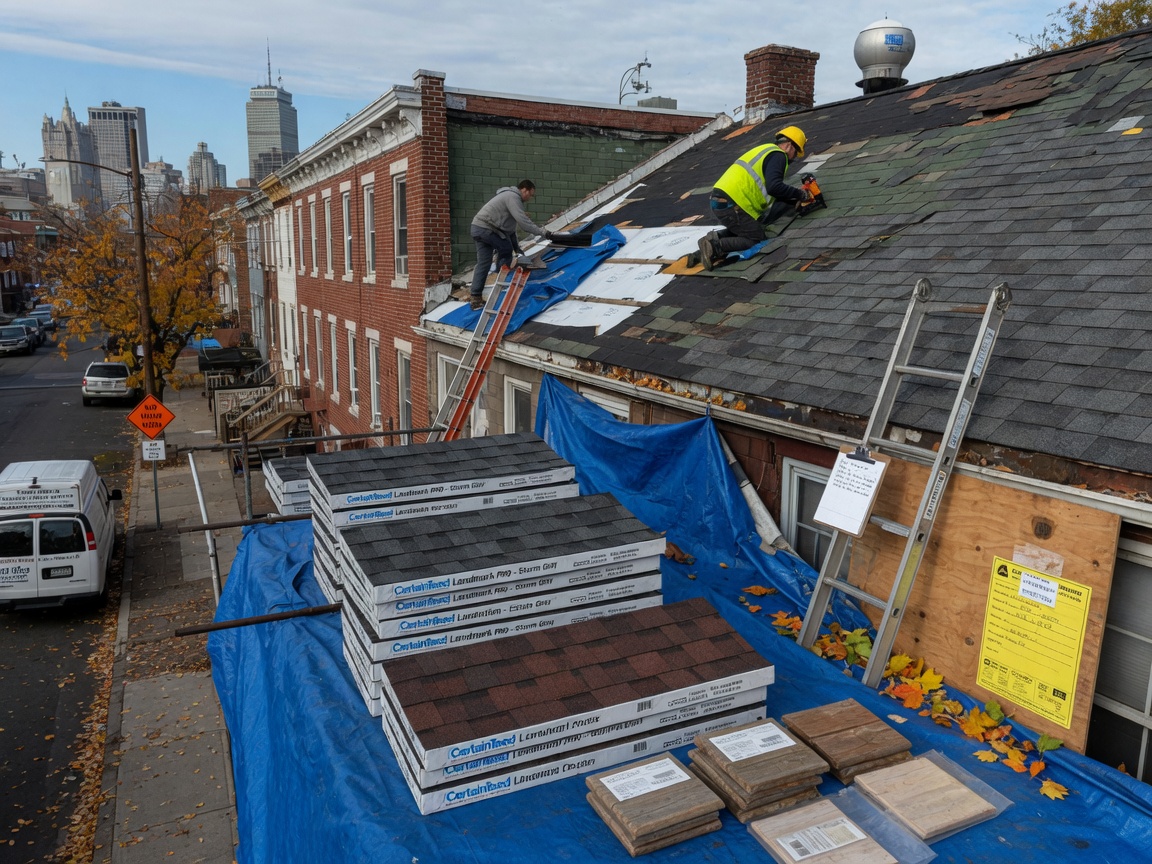
The old roof is leaking, or the shingles are curling and the granules are piling up in the gutters, and now you have to pick a replacement. Most homeowners in New Jersey end up with three questions. Which shingle? Do I need a permit? How long will the crew be on my roof? This guide answers all three.
Choosing Shingles for a New Jersey Roof
Three-tab shingles are the thinnest and simplest asphalt shingle. They lie flat, give a uniform look and are less common than they used to be, since many product lines have dropped them. On a roof that sees nor'easter wind and years of freeze-thaw, thinner material is a trade-off worth thinking about.
Architectural (dimensional) shingles are laminated in layers, so they are thicker, have more depth to the color and resist wind-driven rain better. They are the usual choice for houses across North and Central Jersey, and most roofers will quote them first.
Designer and impact-rated shingles are heavier still. Impact-rated products are built to take hail better, and some insurers offer a discount for them, so call your insurance agent before you decide. Designer lines mimic slate or cedar shake if you want that look without the upkeep.
Metal roofing is the other option people ask about, in standing seam panels or stamped shingle-style sheets. It sheds snow quickly and lasts a long time, but it is a different trade from asphalt: the install is more specialized, and on the shore, the fasteners and finish matter because of salt air. Ask the roofer who would actually do the work how often they put metal on houses like yours.
What Goes Under the Shingles
The shingle is the part you see, but the layers beneath decide whether the roof keeps water out in February. A proper job includes a deck inspection with any soft or rotted sheathing replaced, ice and water shield along the eaves and in the valleys where ice dams form, underlayment over the rest of the deck, drip edge, new step and counter flashing at walls and chimneys, and a ridge vent balanced with intake vents at the soffit. Skipping ventilation shortens the life of any shingle, because a hot, damp attic cooks the roof from underneath.
If you want to see how a full tear-off is put together, the roof replacement page lays out the steps.
When a Permit Applies
In New Jersey, replacing the roof covering on a detached one- or two-family house is ordinary maintenance under the Uniform Construction Code (N.J.A.C. 5:23-2.7), so no construction permit is required. The picture changes for townhouses, twins and row houses, for buildings with three or more units, for work that changes the roof framing, and for new roofs on additions, which are part of a permitted project. Some historic districts also review exterior changes.
If any of that sounds like your house, call the municipal construction office before work begins. It is a short call and it avoids a stop-work surprise.
Separately, New Jersey home improvement contractors must register with the Division of Consumer Affairs. You can look up a contractor's registration online before you sign.
Layers and Tear-Offs
The residential code does not allow a new layer over a roof that already has two. Many older homes in Newark, Elizabeth and Jersey City have more than one layer already, so a full tear-off is common. It also lets the roofer see the deck and replace any damaged sheathing.
How Long a New Roof Takes
On a simple single-story house with one layer, the work often takes a day or two once the crew starts. A two-story colonial, or a roof with many valleys, dormers and chimneys, takes longer. Extra layers, deck repairs and detail work at walls and chimneys add days.
Weather decides the calendar more than anything else. Rain and nor'easters push start dates back, and the busy stretches in spring and after big storms fill the schedule. Cold matters too. Asphalt shingles seal down with the sun's warmth, so in the cold months a roofer may hand-seal tabs or wait for a milder day instead of installing in a freeze. A roof left unsealed through wind is a roof that can lift.
If you are planning a spring job, start calling in late winter. If the roof is leaking now, put a bucket under the drip, photograph the damage for your insurance claim and stay off the roof.
What Drives the Cost
Price depends on the size and pitch of the roof, the shingle line you pick, the number of layers coming off, how much decking needs replacing, flashing and ventilation work, and access to the house. For the full breakdown, see roof replacement cost in NJ.
Gutters and Next Steps
Many homeowners replace the gutters while the roof is open and the drip edge is new. See gutter installation for sizing options. Not sure the roof is done yet? Read Roof Repair or Roof Replacement? Signs Your New Jersey Roof Is Done.
Ready to talk it through? Call (877) 298-2340 and we connect your call with a local roofing contractor who can look at the roof and put an estimate in writing.